The Parfumsense fragrance journal
Eau de toilette and eau de parfum: what's the difference?
Eau de toilette and eau de parfum usually differ in concentration, but their compositions can differ too. Here is how to compare scent, version and bottle size without relying on the label alone.
Eau de parfum generally has a higher concentration of fragrance materials than eau de toilette. This can affect the intensity and how long you notice the scent. However, the label does not tell the whole story: the composition can differ too. Base your choice on the full fragrance description and the exact version. Jean Paul Gaultier explains the difference in concentration.
What do EDT and EDP mean?
EDT is short for eau de toilette; EDP stands for eau de parfum. You will see these terms on bottles, packaging and product pages. They help identify a version, but they are not a quality rating. A fragrance you enjoy does not have to be the most concentrated one.
| Detail | What does it tell you? |
|---|---|
| EDT or EDP | The fragrance designation of this version. |
| Fragrance notes and description | The style of the composition, such as fresh, floral or woody. |
| Volume in ml | The amount of liquid in the bottle, not its concentration. |
The same name can mean a different scent
An eau de parfum is not automatically exactly the same formula as the eau de toilette of the same name with a few extra fragrance materials. A perfumer may emphasise different aspects or use new ingredients and accords. Diptyque explicitly explains this for its own versions.
Do you particularly enjoy an eau de toilette? Read the eau de parfum description too before switching. Compare the notes listed and how the character is described. A familiar name alone is not enough to expect the same scent experience.
What affects how you experience a fragrance?
Concentration is one factor. The formula, your skin, your surroundings and how you apply the fragrance also affect how noticeable it is. This means you cannot infer a fixed number of hours of wear from the letters EDT or EDP. These factors are also discussed in Estée Lauder's fragrance guide.
Would you like a subtle scent for a busy working day, or a more noticeable fragrance? Use that preference when comparing descriptions. If you have the opportunity to smell the perfume, assess the exact version and give yourself time to decide whether you enjoy it.
A checklist for making a considered choice
- Check the full name: brand, fragrance variant and EDT or EDP.
- Read the fragrance description: look for characteristics that match what you already enjoy wearing.
- Compare bottle sizes: consider the volume separately from the fragrance designation.
- Check the product information: follow the instructions on the packaging.
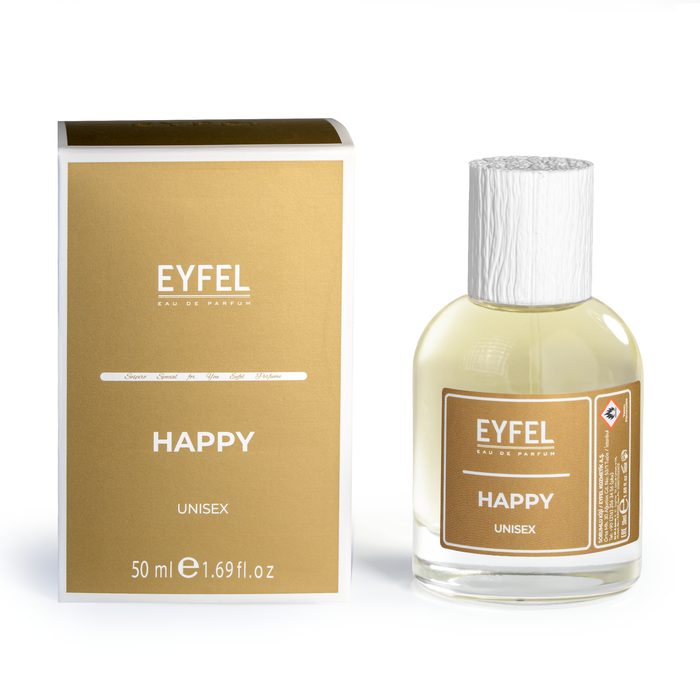
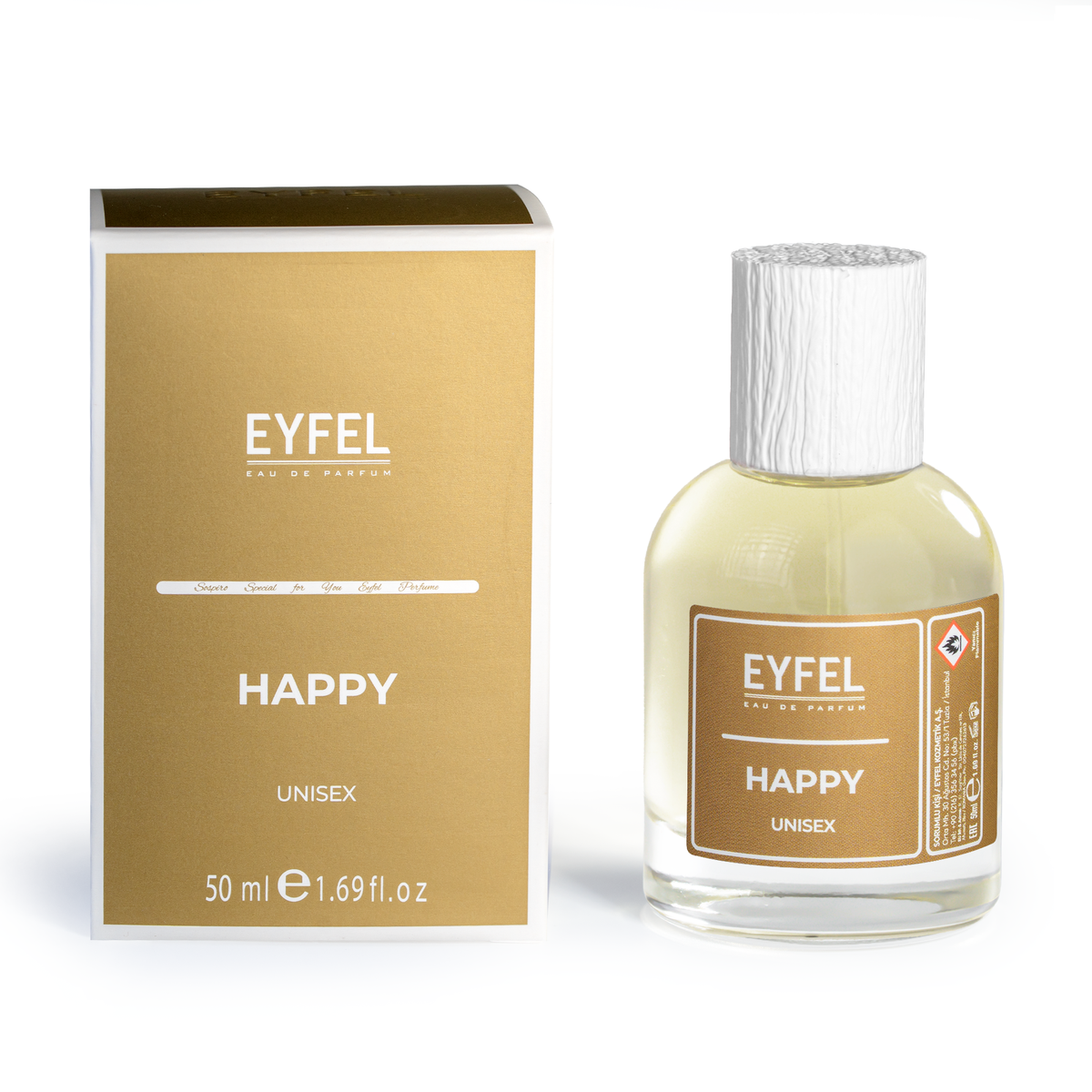
In our perfume collection, you can explore Eyfel eau de parfum in 50 ml bottles, including Happy, Aromatic and Enjoy. Compare the individual descriptions to find a scent style that suits you. Made your choice? Read our practical perfume storage checklist too.
Frequently asked questions
Is eau de parfum always better than eau de toilette?
No. Better depends on your taste and the fragrance you are looking for. The designation helps identify the version; also choose according to the character of the composition.
Do an EDT and EDP with the same name smell the same?
Not necessarily. The composition may have different accents or ingredients. Check both descriptions and, where possible, try the exact version you are considering.
Is a larger bottle stronger?
No. A volume such as 50 ml indicates the amount of liquid. Check EDT or EDP separately for the fragrance designation; the bottle size does not tell you how intense you will find the scent.
Sources checked on 6 November 2026.
 Eyfel Unisex Eau de Parfum – Happy – 50 ml
 Eyfel Men's Eau de Parfum – Aromatic – 50 ml
 Eyfel Women's Eau de Parfum – Enjoy – 50 ml